


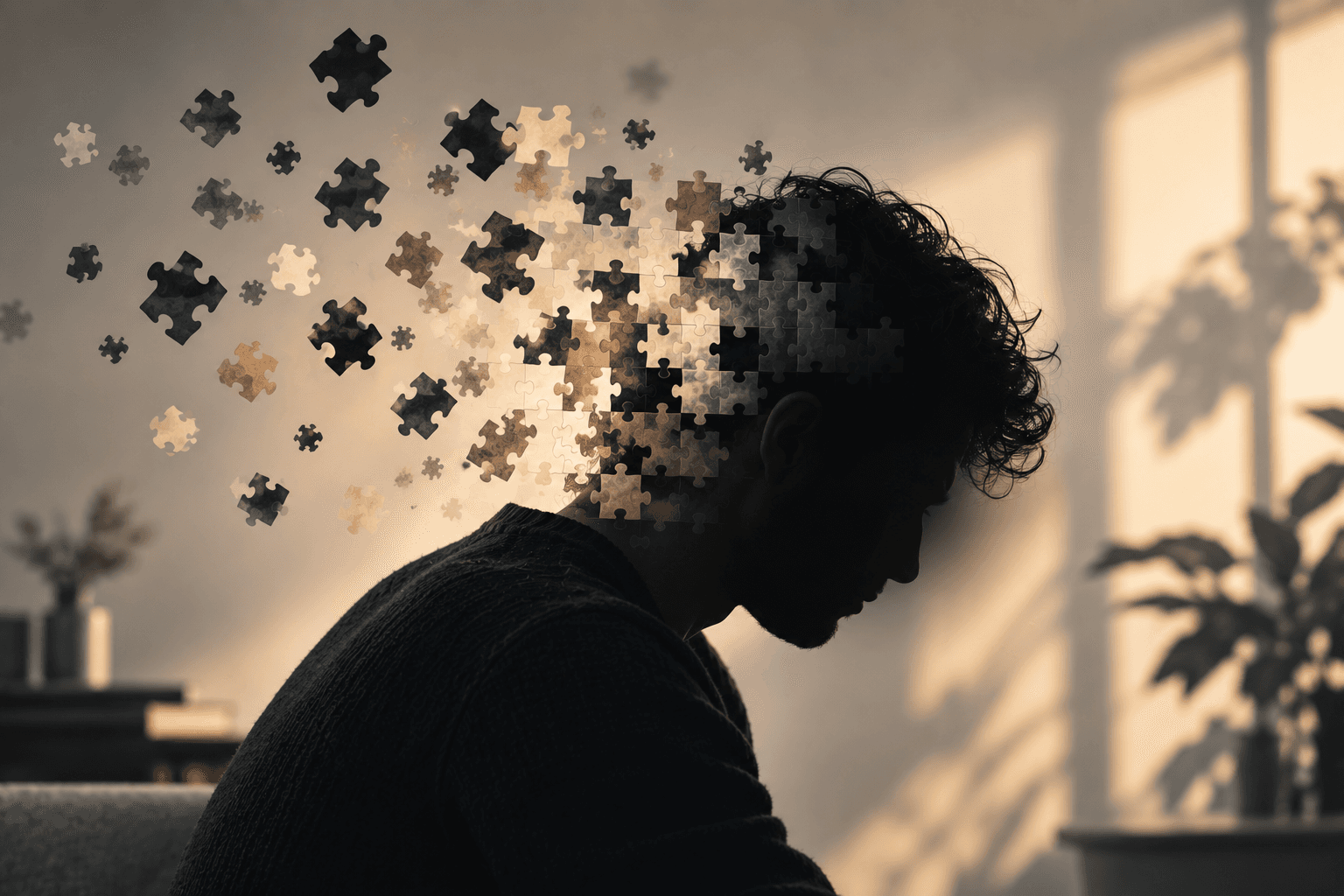
Finding Yourself Again After Brain Injury
A brain injury can change how you experience yourself and the world around you.
You may notice changes in memory, communication, emotional regulation, relationships, independence, or confidence. You may feel frustrated that things that once felt natural now require more effort.
Many people after brain injury describe feeling like they are no longer fully understood. Others may notice the changes in abilities, but not the person behind those changes.
Your personality, emotions, memories, creativity, and inner world remain.
You are still yourself.
I provide specialized brain injury therapy in Vancouver for adults adjusting to life after brain injury, including traumatic brain injury (TBI). My psychodynamic approach focuses on the emotional impact of neurological changes, including identity, relationships, grief, communication, and rebuilding a sense of connection with yourself.
In-person psychotherapy is available in Vancouver, Yaletown. Online psychotherapy is available throughout British Columbia.
If you are navigating something similar after a more recent injury, you may also find it helpful to read about psychotherapy for emotional recovery after concussion.
Who I Help
I work with adults who are experiencing emotional and psychological challenges after brain injury.
Therapy may be helpful if you are struggling with:
- Feeling unlike yourself after brain injury
- Changes in confidence or identity
- Anxiety about the future
- Grief over changes in abilities or independence
- Memory-related frustration
- Emotional changes or difficulty regulating feelings
- Communication challenges
- Changes in relationships
- Feeling misunderstood by others
- Adjusting to a new sense of yourself
You do not need to have all the answers before beginning therapy. A consultation provides an opportunity to discuss what has changed and determine whether working together feels like the right fit.
If any of this feels familiar, I invite you to book a free 20-minute consultation with me to talk about what has been changing since your brain injury.
The Emotional Impact of Brain Injury
Brain injury is not only a physical or neurological experience. It can also affect how you understand yourself, relate to others, and imagine your future.
Many people experience grief after brain injury—not only grief over what has changed, but grief over the life they expected to have.
You may find yourself asking:
- Who am I now?
- Will I ever feel like myself again?
- How do I adapt to these changes?
- How do I maintain meaningful relationships?
- How do I build a future that feels fulfilling?
These questions are deeply personal.
Psychodynamic therapy provides a space to explore the emotional meaning of these changes and understand how they have affected your sense of self.
When Brain Injury Changes What Others Cannot See
Some of the most difficult effects of brain injury are invisible.
A person may appear well externally while experiencing significant changes in:
- Memory
- Concentration
- Emotional regulation
- Confidence
- Communication
- Sense of identity
This can create a painful experience of feeling unseen or misunderstood.
Someone may hear:
“You seem fine.”
while privately struggling with a very different experience of their mind, emotions, and daily life.
Psychodynamic therapy focuses on understanding this internal experience.
The goal is not to define you by what has changed. The goal is to understand the person who continues to exist through those changes.
Brain Injury, Identity, and the Person Beyond Symptoms
A brain injury may affect how you think, communicate, move, or interact with the world.
It does not erase who you are.
Your thoughts, emotions, memories, relationships, imagination, and desire for connection remain.
Many people after brain injury feel caught between who they were before and who they are becoming.
Psychodynamic therapy explores this transition.
Rather than focusing only on symptoms, therapy looks at your whole experience: your history, relationships, emotions, hopes, fears, and the meaning you make of what has happened.
Your brain injury is part of your story, but it is not the entirety of who you are.
If you are finding yourself caught between who you were and who you are becoming, I would be glad to talk it through with you. You are welcome to book a free 20-minute consultation with me.
Understanding Changes After Brain Injury
Brain injury can affect different areas of functioning, which may influence how someone experiences emotions, communication, movement, and independence.
Emotional Regulation and Memory Changes
Changes involving frontal areas of the brain can sometimes affect memory, organization, emotional regulation, and impulse control.
Some individuals notice:
- Feeling overwhelmed more easily
- Stronger emotional reactions
- Difficulty organizing thoughts
- Frustration with changes in concentration or memory
Therapy provides space to understand these changes, process difficult emotions, and develop a more compassionate relationship with yourself.
Communication Changes and the Inner Life Beyond Words
Changes affecting language can make it difficult to express thoughts, even when those thoughts and emotions remain fully intact.
A person may know exactly what they want to communicate but struggle to find the words.
Their speech may have changed.
Their inner life has not.
Psychodynamic therapy recognizes the person beyond communication difficulties. It provides a relationship where you can be understood as a whole person—not only through what you are able to express verbally.
If putting these experiences into words feels especially difficult, it may help to explore why talking works and how words support emotional healing.
Movement, Awareness, and Changes in the Body
Some brain injuries can affect movement, coordination, physical independence, or awareness of changes in abilities.
These changes can affect identity and relationships with others.
Therapy provides a place to explore what it means to live in a body that may feel different and how to create meaning and connection after such a significant life change.
Why Choose a Psychodynamic Approach After Brain Injury?
Many brain injury services focus on rehabilitation, skill development, and adapting to functional changes. These supports can be valuable.
Psychodynamic therapy focuses on another important part of recovery: the emotional experience of living after brain injury.
Together, therapy can explore:
- Changes in identity
- Grief and adjustment
- Relationships
- Emotional regulation
- Self-confidence
- The meaning of your experience
Many people after brain injury are not only asking, “How do I function differently?”
They are also asking:
“Who am I now?”
Psychodynamic therapy creates space to explore that question.
If you are wondering whether talking to someone can really make a difference, you may also want to read how therapy works and why capable people still feel stuck.
Brain Injury Therapy vs Neuropsychological Assessment
Neuropsychological assessment evaluates areas such as memory, attention, and cognitive functioning.
Psychotherapy focuses on the emotional experience of living with these changes.
Brain injury therapy explores:
- Identity
- Relationships
- Emotional wellbeing
- Adjustment
- Self-understanding
- Meaning after major life change
Both forms of support can be important. Psychotherapy addresses the personal experience behind the changes.
What Happens During the Free 20-Minute Consultation?
Starting therapy after brain injury can feel uncertain.
The free 20-minute online consultation gives you an opportunity to:
- Share what has changed since your brain injury
- Discuss what you are struggling with
- Ask questions about therapy
- Learn about my approach
- Decide whether working together feels like the right fit
You do not need to prepare anything beforehand. The first step is simply having a conversation. Book a free 20-minute consultation with me to get started.
About Curtis Holt-Robinson
I specialize in psychodynamic psychotherapy for adults experiencing the emotional impact of brain injury.
My approach draws from psychoanalytic psychotherapy, object relations theory, and neuropsychoanalytic perspectives.
I am trained in Psychodynamic Psychotherapy through Trinity College Dublin and have additional training exploring the relationship between neuroscience and psychoanalytic thought.
My work focuses on helping clients explore identity, relationships, emotional experience, and their connection with themselves after neurological change.
Frequently Asked Questions
Can therapy help after brain injury?
Yes. Psychotherapy can support people in processing the emotional impact of brain injury, including changes in identity, relationships, confidence, and adjustment.
What kind of therapist helps after brain injury?
A therapist who understands the emotional and psychological impact of brain injury can help clients explore grief, identity, relationships, and adapting to change.
Can brain injury affect emotions and personality?
Yes. Brain injury can affect emotional regulation, mood, confidence, and relationships. Therapy can provide support in understanding and adapting to these changes.
Is online brain injury therapy available?
Yes. Online psychotherapy is available for adults throughout British Columbia.